
Restorative Dentistry8 min read
What happens when a single missing tooth starts affecting more than the appearance of your smile? Even one open space can change how you chew, how nearby teeth meet, and how comfortable your bite feels. Fortunately, replacing a missing tooth does not always require a complicated treatment plan. For many patients, dental bridges in Chicago offer a practical, natural-looking way to restore the space and bring balance back to the smile.
At Big City Dental on N Southport Ave, patients can explore restorative options based on the location of the missing tooth, the condition of neighboring teeth, oral health, lifestyle, and long-term goals. Dental bridges are only one option, but they can be an excellent choice when the surrounding teeth are strong enough to support a restoration and a patient wants a fixed replacement that does not need to be removed each day.
What Is a Dental Bridge?
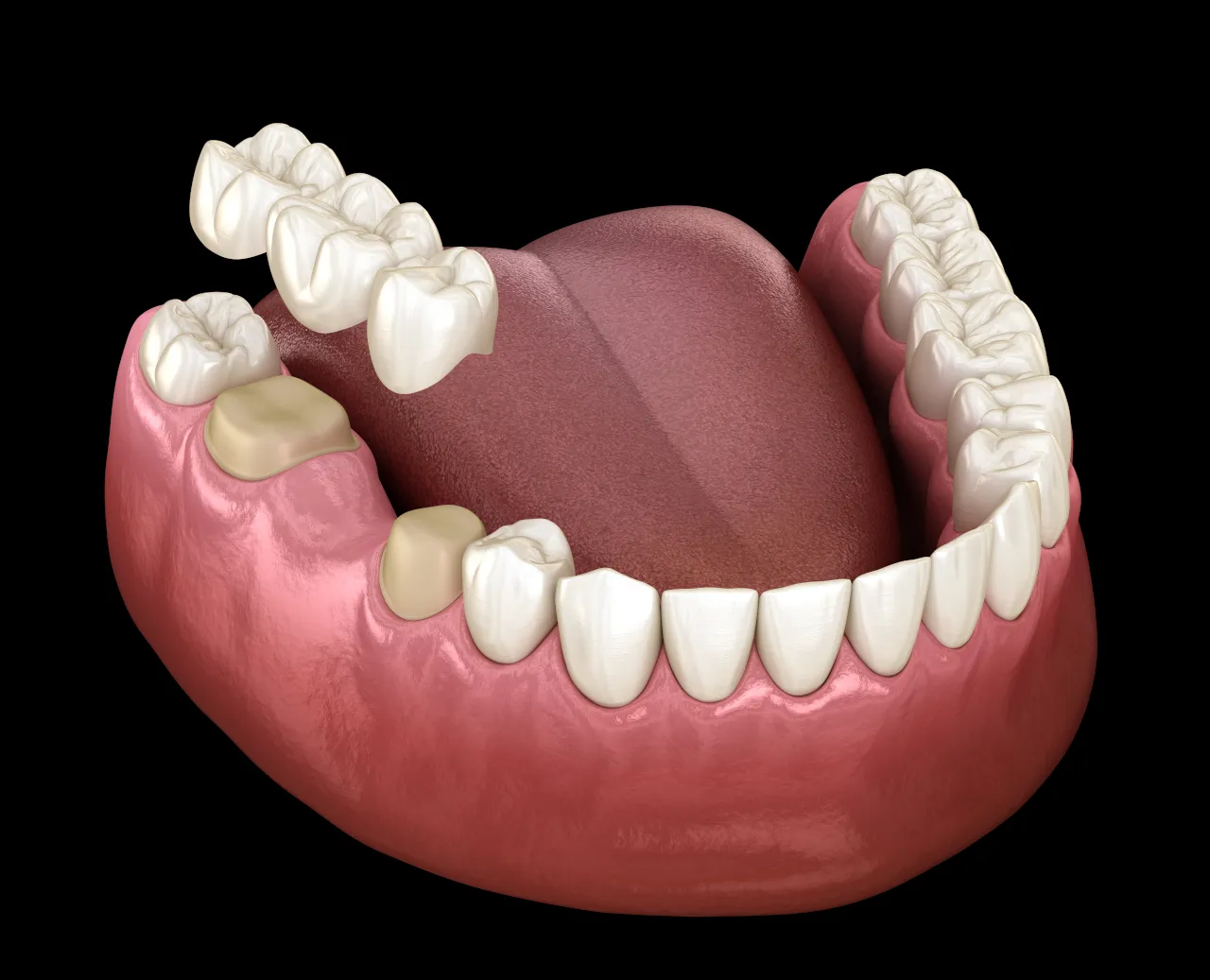
A dental bridge is a fixed restoration designed to replace one or more missing teeth. As its name suggests, the restoration bridges the space where a tooth is missing. A replacement tooth, sometimes called a pontic, fills the open area while crowns or other supporting components hold the bridge securely in position.
Unlike a removable partial denture, a traditional dental bridge remains in your mouth. You brush it as part of your normal routine and clean beneath it using flossing aids or other recommended tools. Because a bridge is custom-made to fit your bite, its shape and color can also be selected to coordinate naturally with the teeth around it.
Dental bridges may be particularly helpful when the teeth next to the missing space already need crowns. In that situation, restoring those teeth while replacing the missing tooth can address several concerns through one coordinated treatment plan.
Why Replacing a Missing Tooth Matters
It can be tempting to leave an open space alone, especially when the missing tooth is toward the back of the mouth. However, each tooth plays a role in the way your bite functions. When a tooth disappears, neighboring teeth may gradually move toward the space. The tooth on the opposite arch may also change position because it no longer contacts its usual partner.
As a result, an untreated space can sometimes contribute to uneven chewing forces, food trapping, changes in alignment, or difficulty cleaning around neighboring teeth. In addition, losing a tooth may make certain foods harder to chew comfortably.
Replacing the tooth helps restore continuity to the dental arch. Therefore, a dental bridge is not only about filling a visible gap. It can also support everyday function and help keep the remaining teeth working together more predictably.
Benefits of Dental Bridges
Dental bridges offer several advantages for people who want a fixed solution for tooth loss. Depending on your individual situation, these may include:
- Restored chewing ability: Filling the space gives you another stable surface for breaking down food.
- A natural-looking appearance: Modern dental materials can be shaped and shaded to coordinate with surrounding teeth.
- A fixed restoration: A bridge stays in place rather than being removed for meals or daily activities.
- Improved bite stability: Replacing a missing tooth can help reduce unwanted movement of neighboring teeth.
- Support for speech: Depending on the location of the missing tooth, replacing it may make certain sounds easier to pronounce normally.
- A relatively efficient treatment process: A traditional bridge can often be completed without the healing period associated with surgical tooth replacement.
These advantages make dental bridges an established option for many adults. However, every missing tooth is different, so an examination is important before deciding which replacement method fits your needs.
Who May Be a Good Candidate for a Dental Bridge?
A dental bridge may be considered when you have one or more missing teeth with healthy, stable teeth nearby. Those neighboring teeth need enough strength to support the restoration. Your gums should also be healthy enough to provide a stable environment around the bridge.
For example, imagine that a tooth has been lost between two teeth that already contain large fillings. If those teeth would benefit from crowns regardless, incorporating them into a bridge may be a logical restorative approach. Meanwhile, someone with completely untouched neighboring teeth may want to compare a bridge with a dental implant before deciding.
Your dentist will evaluate the condition of the supporting teeth, your bite, gum health, available space, and the forces placed on that area when you chew. Digital imaging may also provide additional information about the teeth and supporting structures.
Dental Bridge vs. Dental Implant: How Are They Different?
Patients comparing tooth replacement choices commonly ask whether a bridge or implant is better. There is no single answer that applies to everyone.
A traditional dental bridge receives support from neighboring teeth. Those supporting teeth are prepared for crowns, and the replacement tooth is attached between them. A dental implant, in comparison, replaces the missing tooth using an implant placed in the jaw and a restoration attached above it.
One advantage of an implant is that neighboring teeth generally do not need to be prepared simply to support the replacement. Implants can also provide an independent foundation for the new tooth. However, implant treatment involves a surgical phase and sufficient healing time before the final restoration is completed.
A bridge may be appealing when a patient prefers a non-implant option, when neighboring teeth already need crowns, or when specific health or anatomical considerations influence the treatment plan. Cost, timing, personal preferences, and long-term maintenance also deserve consideration.
Rather than choosing based only on which option sounds newer, it is helpful to compare how each treatment would work in your specific mouth.
What Happens During the Dental Bridge Process?
The process typically begins with a detailed examination. Your dentist evaluates the missing space, the supporting teeth, your gums, and your bite. Once a bridge has been recommended, the supporting teeth are carefully prepared so crowns can fit over them.
Next, detailed impressions or digital scans are used to capture the shape and position of your teeth. This information helps create a bridge designed for comfortable contact with opposing teeth and a natural appearance.
A temporary restoration may be placed while the final bridge is being created. When the permanent restoration is ready, your dentist checks the fit, contacts, appearance, and bite. Adjustments can be made before the bridge is securely placed.
Afterward, the bridge should feel like an integrated part of your smile. As with any new dental restoration, you may notice it more during the first few days. However, most people quickly become accustomed to eating and speaking with it.
How Long Can a Dental Bridge Last?
A dental bridge is designed for long-term use, although no restoration should be considered maintenance-free. Its longevity depends on oral hygiene, bite forces, the health of the supporting teeth, diet, and habits such as clenching or grinding.
The teeth supporting the bridge remain vulnerable to decay near the restoration margins. In addition, the gum tissue underneath the replacement tooth requires consistent cleaning. Therefore, daily oral care plays an important role in protecting the bridge.
Regular dental visits allow the team to examine the restoration, monitor the supporting teeth, and address small changes before they become larger concerns. If you grind your teeth, a protective appliance may also be discussed to reduce unnecessary stress on dental restorations.
How Do You Clean Under a Dental Bridge?
Although the replacement tooth in a traditional bridge cannot develop a cavity, the teeth holding the bridge can. Plaque and food can also collect underneath the restoration. For that reason, cleaning beneath the bridge is essential.
Because regular floss cannot simply pass down between the connected teeth, your dental team may recommend a floss threader, specialized bridge floss, interdental brush, or water flosser. The best tool depends on the shape of the restoration and the space available underneath it.
In addition, brush twice daily with fluoride toothpaste and pay close attention to the gumline surrounding the bridge. Professional cleanings can help remove deposits that are difficult to manage at home.
Can a Dental Bridge Look Natural?
Modern restorative dentistry places considerable emphasis on blending dental work with natural teeth. A bridge can be customized for tooth color, shape, proportion, and contour. Just as importantly, the restoration must fit correctly within the bite.
The goal is not to create a replacement tooth that attracts attention. Instead, the bridge should complement the surrounding smile. Factors such as tooth shade, translucency, gum position, and available space can all influence the final appearance.
This is especially relevant when replacing a front tooth, although natural appearance matters in the back of the mouth as well. Carefully planned contours also help make the restoration easier to keep clean.
Frequently Asked Questions About Dental Bridges
Can I eat normally with a dental bridge?
Once you have adjusted to the restoration, a bridge is intended to restore comfortable chewing. It is still wise to avoid habits that can damage natural teeth or dental restorations, such as chewing ice or using your teeth to open packages.
Does getting a dental bridge hurt?
The supporting teeth are typically numbed during preparation, which helps keep the procedure comfortable. Some temporary sensitivity may occur afterward. Your dentist can explain what is normal for your individual treatment.
Can a bridge replace more than one missing tooth?
In certain situations, yes. However, the number and position of missing teeth, the strength of potential supporting teeth, and bite forces all affect whether a bridge is appropriate.
Should I choose a bridge or an implant?
Both can be effective tooth replacement choices. The best option depends on the health of surrounding teeth, bone availability, treatment timing, personal preferences, and your overall restorative plan.
Restore a Missing Tooth With Personalized Care in Chicago
A missing tooth does not have to remain an inconvenience every time you eat, speak, or smile. Dental bridges can provide a fixed and natural-looking solution while helping restore the function of your bite. The most important part is choosing a restoration based on the condition of your entire mouth rather than the empty space alone.
If you are considering dental bridges in Chicago, Book an Appointment with Big City Dental at 3712 N Southport Ave or call (773) 281-8989. The team can evaluate your smile and help you compare the tooth replacement options that fit your needs.